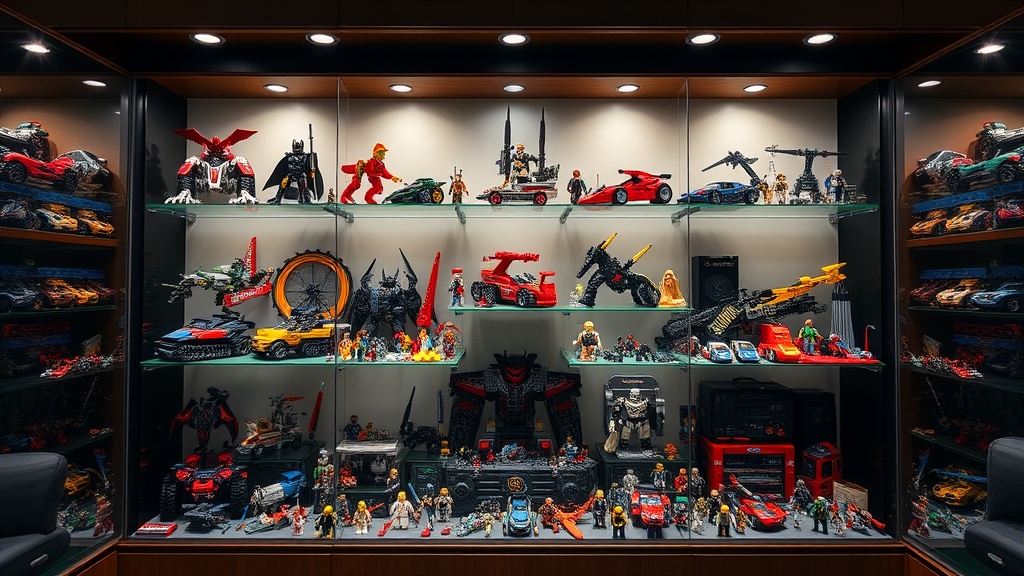
Ways to Organize Your LEGO Display Cases for Maximum Impact

Why Most Display Arrangements Fail to Impress
Most people assume that a collection looks better simply because it is bigger. They cram every single set they've ever bought into a single shelf, thinking volume equals value. This is a mistake. A cluttered display actually devalues the individual pieces in your collection. When everything is crowded together, the eye doesn't know where to land—it just sees a mass of colorful plastic. To create a professional-looking collection, you need to think about intentionality rather than just capacity. This guide covers how to group, light, and structure your builds to make them look like museum-quality pieces rather than just a pile of toys on a shelf.
A successful display requires a balance of negative space and focal points. If you fill every inch of a glass case, you lose the ability to appreciate the fine details of a specific build. Instead, treat your collection like an exhibition. This means giving each set room to breathe. Whether you're displaying a massive Star Wars UCS set or a small collection of vintage Space minifigures, the way you arrange them determines how much joy (and value) you get from them.
How Can You Arrange LEGO Sets by Theme or Color?
One of the most common ways to organize a collection is through categorization. There are two primary ways to do this: by theme and by color. Both have their pros and cons depending on your specific goals. If you want to showcase the history of a specific line, grouping by theme is the way to go. You might have a dedicated section for the Creator Expert line, followed by a section for Technic. This creates a sense of narrative—a timeline of your building history.
Grouping by color, on the other hand, is purely aesthetic. It’s a popular choice for collectors who treat their LEGO as home decor. Imagine a shelf where all-white builds transition into deep blues, then into vibrant reds. It looks striking, but it can be a headache if you aren't careful with your inventory. If you choose this method, keep a mental note of which sets belong to which color group so you don't lose track of your cataloging. You can find great inspiration for color-coded displays on sites like Pinterest, but remember that a collection should reflect your personal taste, not just a trend.
- Theme-Based: Best for storytelling and showing the evolution of a brand.
- Color-Based: Best for visual-heavy rooms and high-end interior design looks.
- Era-Based: Grouping by the year of release to show how building techniques have changed.
Don't forget that your display space should be flexible. Your collection isn't static; you'll be buying new sets, and you'll be retiring old ones. A rigid organization system might become a burden if it doesn't allow for growth. I recommend using modular shelving units that can be rearranged or expanded as your collection evolves.
What Are the Best Lighting Techniques for LEGO Displays?
Lighting is the most overlooked aspect of display-building. You can have the rarest set in the world, but if it's sitting in a dark corner, it won't shine. Most collectors use standard overhead room lights, but that's rarely enough to highlight the intricate textures of a LEGO build. To truly make a collection pop, you need dedicated lighting that is built into the display itself.
LED strips are the gold standard here. They are slim, produce very little heat (which is vital for preventing plastic degradation), and can be tucked into the edges of a shelf. If you use a glass display case, try to place the light source at an angle that minimizes glare. You don't want a bright white light bouncing off the glass and blinding you when you're trying to look at a specific minifigure. A soft, diffused light is always better for long-term viewing. If you want to see how professional lighting affects certain materials, checking out photography forums or even the official LEGO website for high-res product shots can give you a hint of how they want their products to be seen.
| Light Type | Pros | Cons |
|---|---|---|
| LED Strips | Low heat, very slim, easy to hide | Requires wiring or battery packs |
| Spotlights | Creates dramatic focal points | Can cause glare on glass |
| Ambient Room Light | No extra setup required | Doesn't highlight detail |
One thing to watch out for is the heat generated by certain lights. While modern LEDs are much safer than old incandescent bulbs, you should still be cautious. Excessive heat can cause certain types of plastic to soften or even warp over many years. Always test your lighting setup for a few hours to ensure it isn't creating a hot spot inside your display case.
How Do You Manage Vertical Space in a Display Case?
Most collectors make the mistake of only building "outward." They lay sets side-by-side on a single shelf. This is a massive waste of vertical space. To make your collection look truly impressive, you need to use the height of your display cases. This is where risers and tiered platforms become your best friends. By using different heights, you create depth and allow the viewer to see the builds in the "back" of the shelf through the gaps in the builds in the "front."
Acrylic risers are great for minifigures, but for larger sets, you might need more substantial solutions. You can use custom-built platforms or even repurposed LEGO elements to create a tiered effect. The goal is to ensure that no set is completely hidden by another. A multi-layered display looks much more professional and organized than a single-level layout. It also makes it easier to access specific models when you want to move them or take them down for a deep clean.
When you're planning your layout, think about the "Rule of Three." Grouping objects in odd numbers—like three different builds of varying heights—tends to be more visually pleasing to the human eye. It creates a sense of balance without being perfectly symmetrical, which can often look a bit stiff or artificial. Experiment with different heights to see what works best for your specific shelves. A tall, thin build looks great next to a wide, flat one if you use a riser to bridge the gap in height.
Lastly, don't be afraid to use "anchor" pieces. An anchor piece is a large, heavy-duty build that acts as the centerpiece of a shelf. Everything else on that shelf should be arranged in relation to that anchor. This gives the display a sense of structure and prevents it from looking like a random assortment of parts. It’s the difference between a collection that looks like a hobby and a collection that looks like a curated gallery.