Organizing Your LEGO Parts Collection for Faster Building

Why most collectors fail at part organization
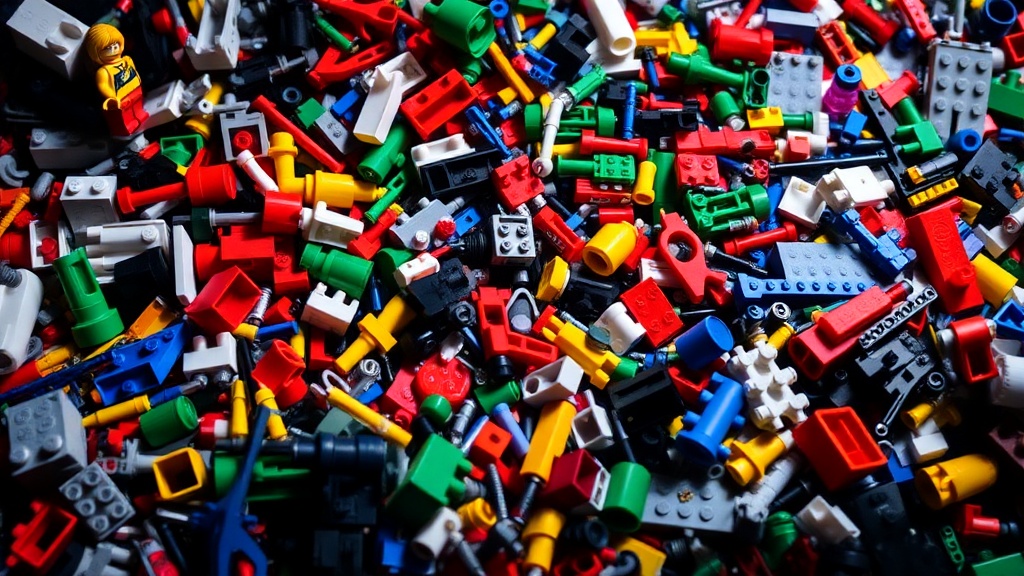
Most people think a big bin of assorted bricks is a functional collection. It isn't. It's a graveyard for lost pieces. The common misconception is that as long as you have the parts, the organization doesn't matter. But if you spend forty minutes hunting for a single 1x2 plate while your inspiration fades, your organization has failed you. Efficiency isn't about having everything in its place; it's about being able to find what you need without dumping a thousand pieces onto your desk every single time you want to build.
Effective sorting transforms a messy pile into a usable resource. Whether you're a MOC (My Own Creation) builder or a set finisher, your workflow depends on how quickly you can access specific elements. This guide covers the physical systems, the logic of sorting, and the tools you'll need to build a system that actually works for your specific scale of collecting.
Should you sort by color or by part type?
This is the age-old debate in the community. There's no single right answer, but there are much better ways to handle it depending on your goals. If you're a casual builder, color might seem intuitive. If you're looking for a red brick, you look in the red bin. However, for serious builders, color sorting is often a trap. Why? Because a 2x4 brick and a 1x1 round plate might both be red, but they occupy vastly different amounts of space and serve different structural roles.
I suggest a tiered approach. Use color for your bulk pieces—the bricks, plates, and tiles that form the foundation of your builds. But for your specialized elements—technic pins, minifigure accessories, or tiny translucent pieces—sort by part type or even by scale. A bin of 'small details' is much easier to browse than a bin of 'blue pieces' that contains one tiny translucent stud hidden under a dozen blue plates.
The Tiered Sorting System
To build a high-functioning collection, consider these three distinct levels of organization:
- The Bulk Tier: These are your standard bricks, plates, and slopes. These can live in larger, more affordable containers. Grouping these by color is acceptable here because the physical size of the parts is relatively consistent.
- The Specialty Tier: This is where your Technic elements, gears, and specialized connectors live. These should be sorted by function. A single bin of 'Technic Axles' is more useful than a bin of 'Black Parts.'
- The Detail Tier: This is for the small stuff. Studs, clips, handles, and minifigure gear. These are the pieces that get lost in the cracks of larger bins. These need small, compartmentalized trays.
If you want to see how part geometry affects volume, check out the