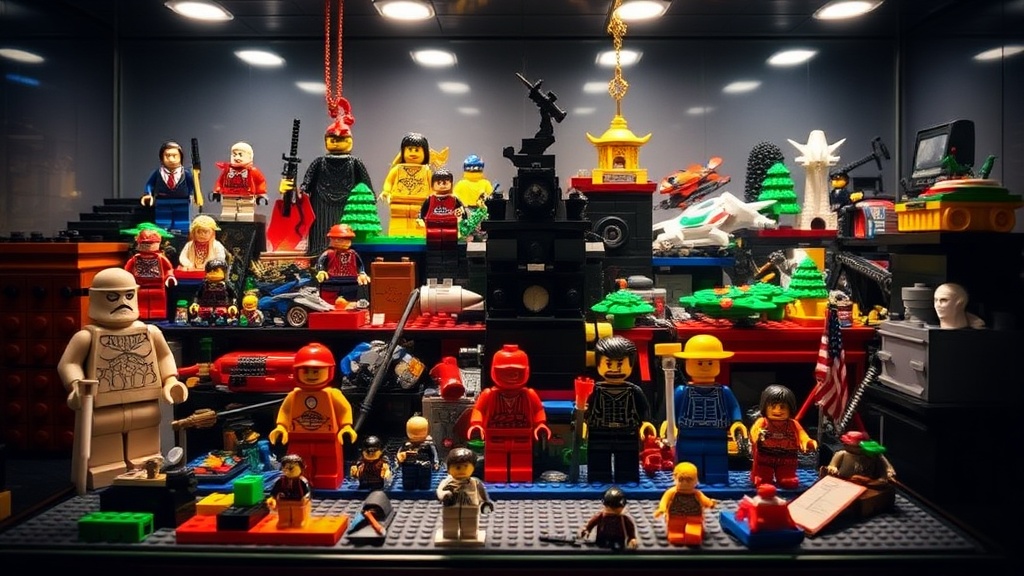
How to Properly Store and Display Your LEGO Collection Without Losing Value

Most collectors learn this the hard way: building a great LEGO collection is only half the job. Keeping it in top condition—and preserving its long-term value—is where things get interesting.
I’ve seen rare sets fade under sunlight, pristine boxes crushed in closets, and minifigures scratched because someone tossed them in a drawer. None of that is inevitable. With a bit of planning, you can display your collection proudly while protecting it like an asset.
Step 1: Decide What’s for Display vs. Storage
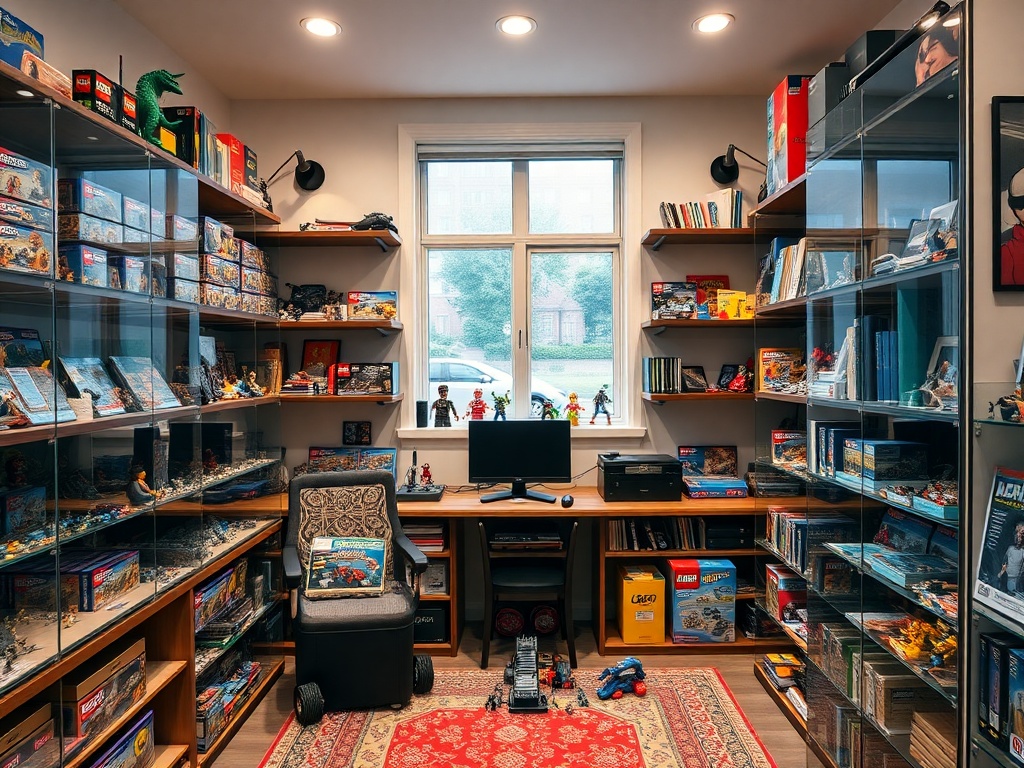
Not everything deserves equal exposure. The first decision is simple but critical: what stays out, and what gets stored.
Display your visually striking sets—modular buildings, UCS models, detailed dioramas. These are your conversation pieces. Meanwhile, sealed sets, rare boxes, and duplicates should stay protected.
Rule of thumb: if replacing it would hurt financially, it probably shouldn’t sit in open air.
Step 2: Control Light Exposure (This Matters More Than You Think)
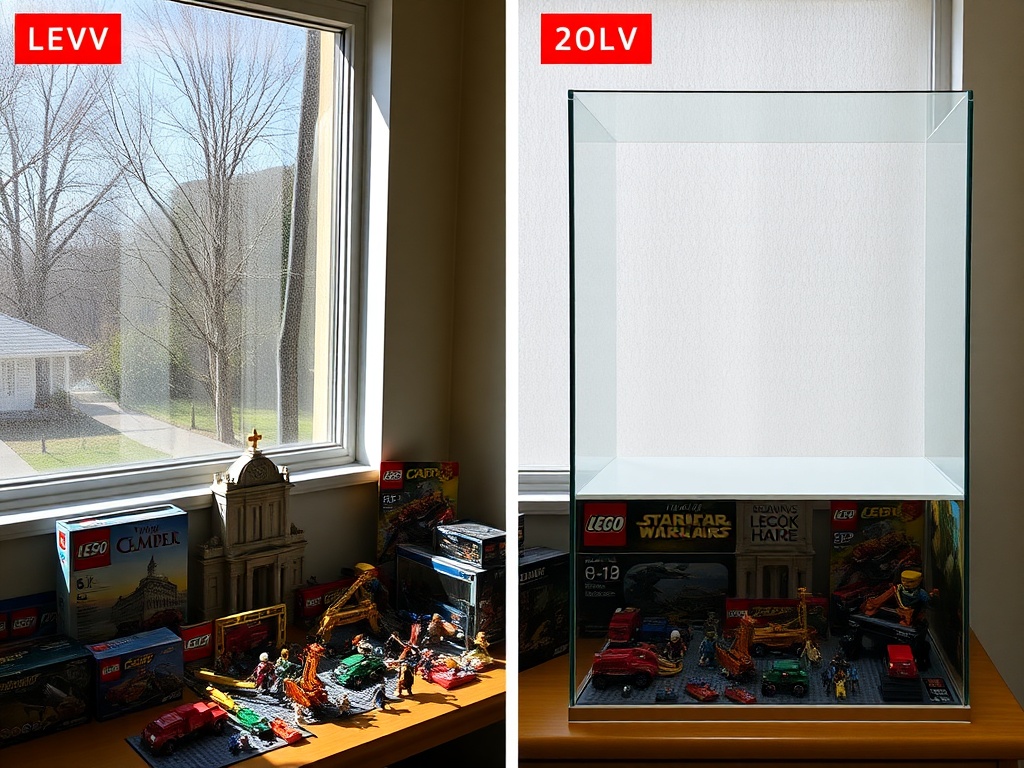
Sunlight is the silent killer of LEGO collections. UV rays cause yellowing, especially on white and light-colored bricks. Once that damage happens, it’s permanent.
Keep displays away from direct sunlight. If that’s unavoidable, invest in UV-protected display cases or window film. Even indoor lighting can cause gradual fading over time.
- Avoid windows entirely if possible
- Use LED lighting instead of fluorescent bulbs
- Rotate displayed sets every few months
This single step preserves both appearance and resale value.
Step 3: Use Enclosed Display Cases (Dust Is Not Your Friend)
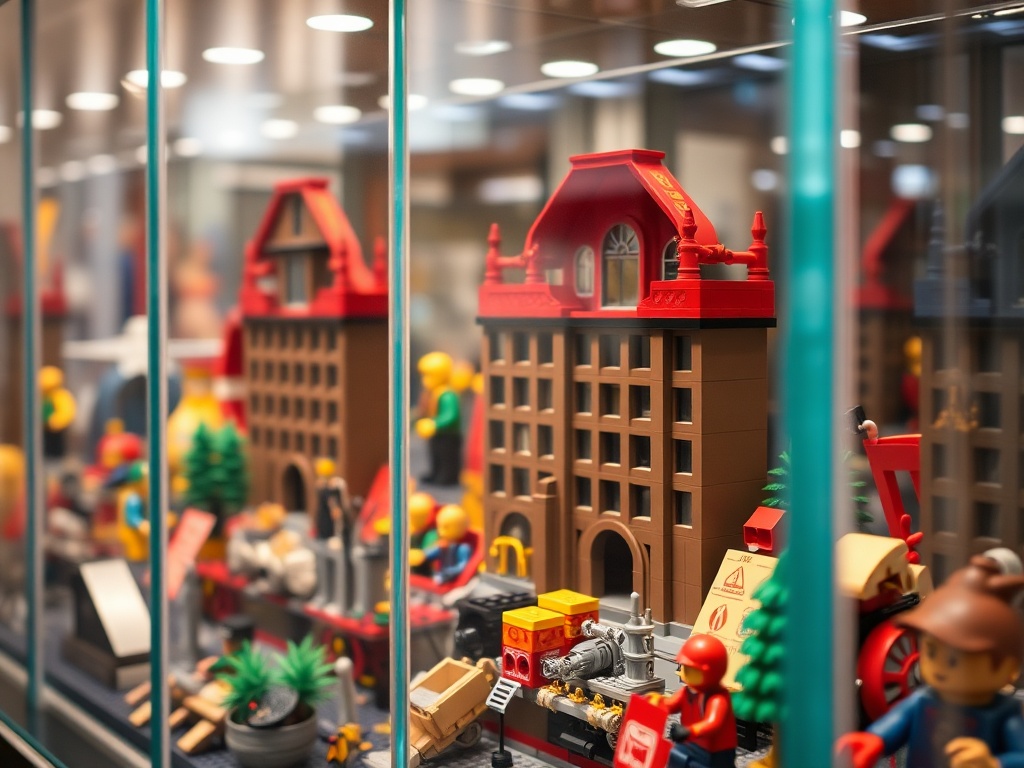
Dust isn’t just annoying—it’s destructive over time. It settles into studs, clings to minifigures, and makes cleaning risky.
Open shelving looks great for about two weeks. After that, maintenance becomes a chore you’ll start avoiding.
Enclosed cases solve this. Acrylic display boxes are affordable and effective, while glass cabinets offer a premium look. The goal is simple: reduce how often you need to touch your sets.
Less handling = less wear.
Step 4: Store Boxes Like They Matter (Because They Do)
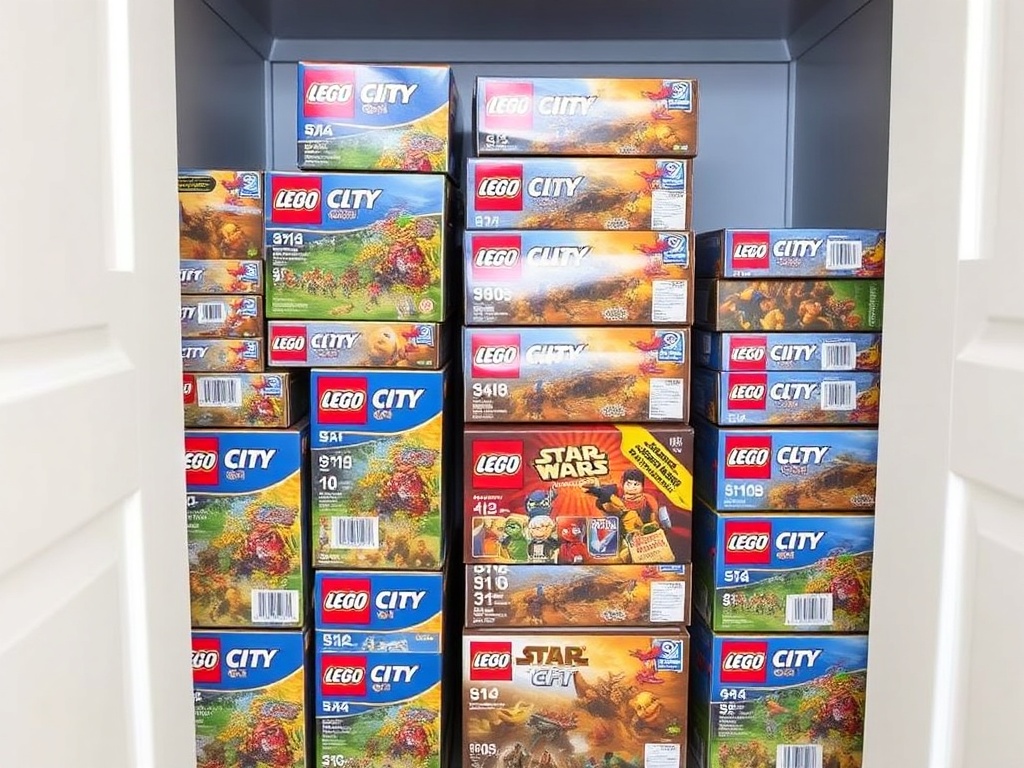
If you care about long-term value, boxes are not optional. A complete set with a pristine box can sell for significantly more than one without.
Flattening boxes saves space, but it also reduces collector appeal. If you can, store them intact.
- Keep boxes upright, not stacked flat
- Use protective sleeves or plastic bins
- Avoid humidity and temperature swings
Think of boxes as part of the asset, not packaging.
Step 5: Organize Loose Pieces and Minifigures Properly
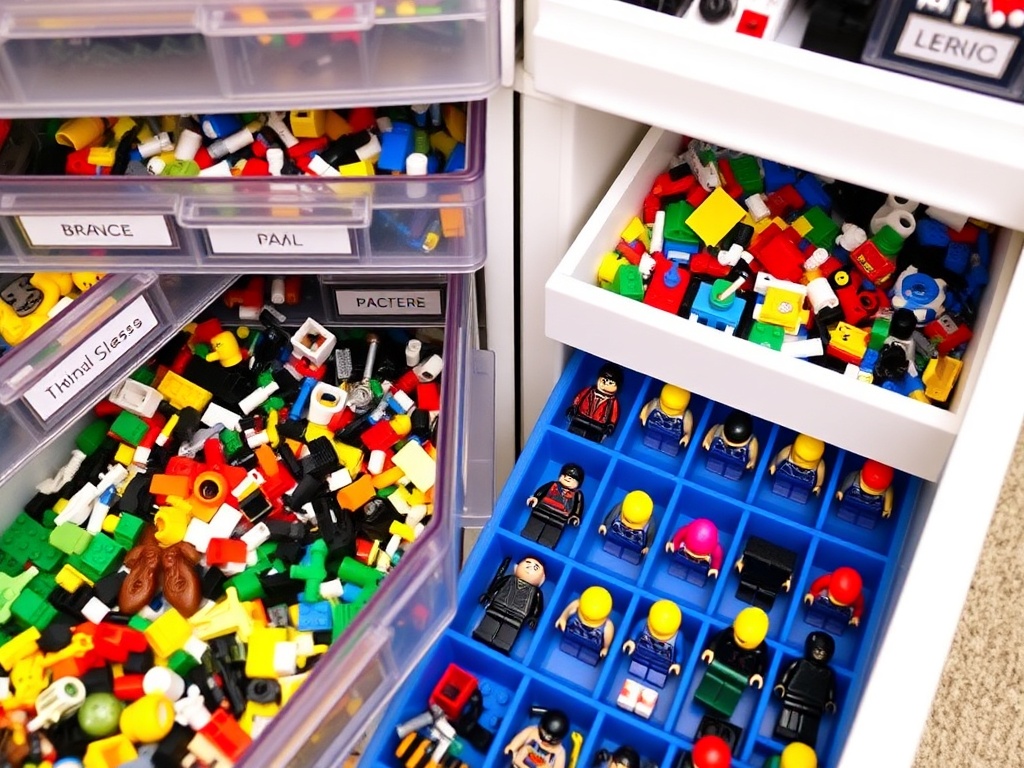
Loose bricks and minifigures are where most collections quietly lose value. Scratches, missing parts, and poor organization add up.
Use compartment organizers for minifigures—especially rare ones. For bricks, labeled drawer systems work best.
Separate by color or part type depending on how you build. More importantly, avoid mixing valuable pieces with bulk lots.
Pro tip: store minifigures assembled but separated from tight pressure to prevent cracks in arms or torsos.
Step 6: Manage Temperature and Humidity
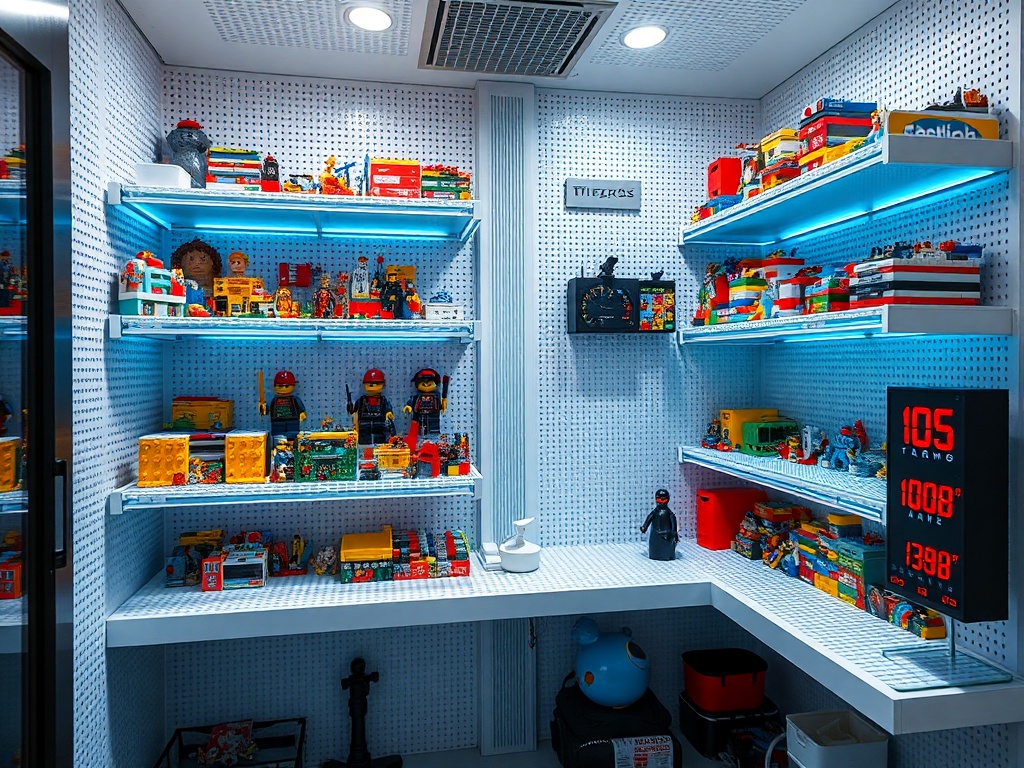
Extreme conditions damage both bricks and packaging. Heat can warp plastic slightly over time, while humidity can ruin boxes and instructions.
A stable indoor environment is ideal:
- Temperature: 18–24°C (65–75°F)
- Humidity: 40–60%
Basements and attics are risky unless climate-controlled. Closets in main living areas tend to be safer.
Step 7: Clean Your Sets the Right Way
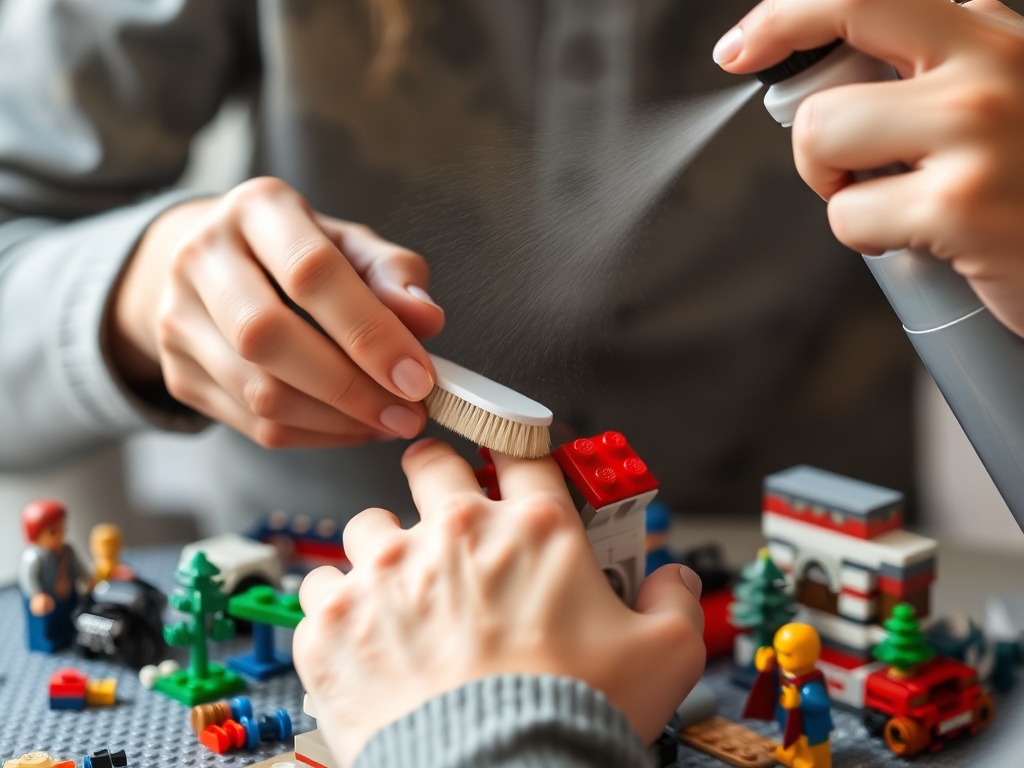
Cleaning is where many collectors accidentally cause damage. Avoid water unless absolutely necessary.
Instead:
- Use a soft makeup brush for dust
- Compressed air for tight spaces
- Microfiber cloth for surfaces
If you must wash pieces, use lukewarm water and let them air dry completely. Never use heat to speed things up.
Step 8: Keep Instructions and Extras Safe
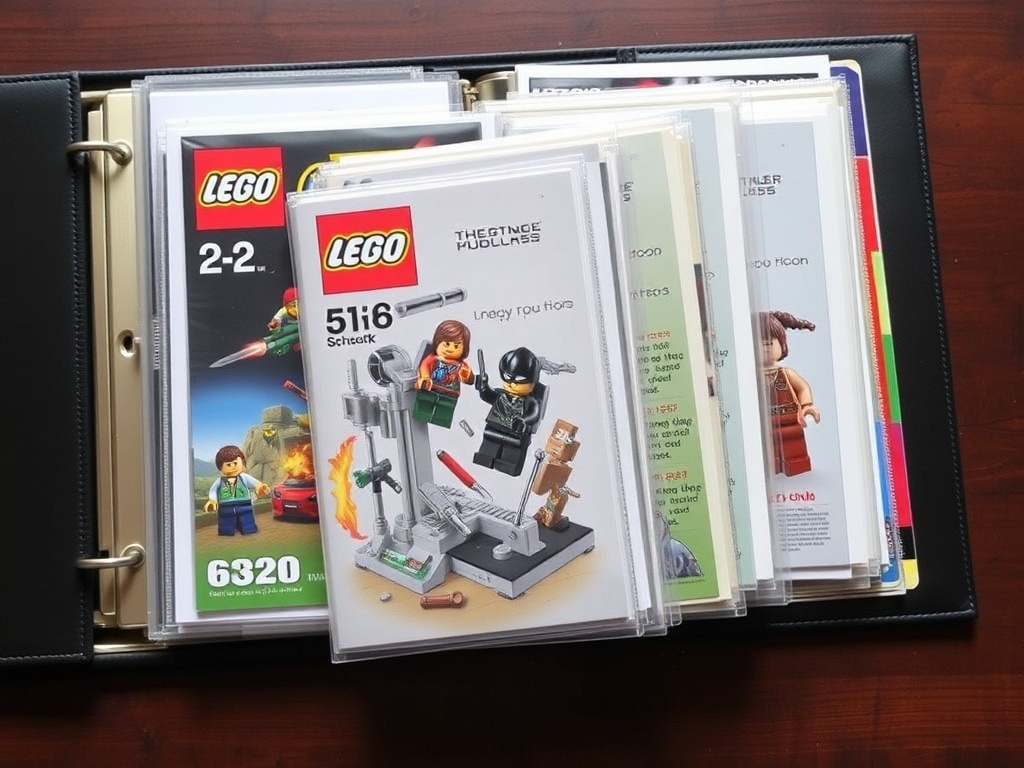
Instruction manuals are often overlooked, but they add value—especially for retired sets.
Store them flat in sleeves or binders. Avoid folding or stacking heavy items on top. Stickers, spare parts, and inserts should stay grouped with their original sets.
Step 9: Track Your Collection Like an Investor
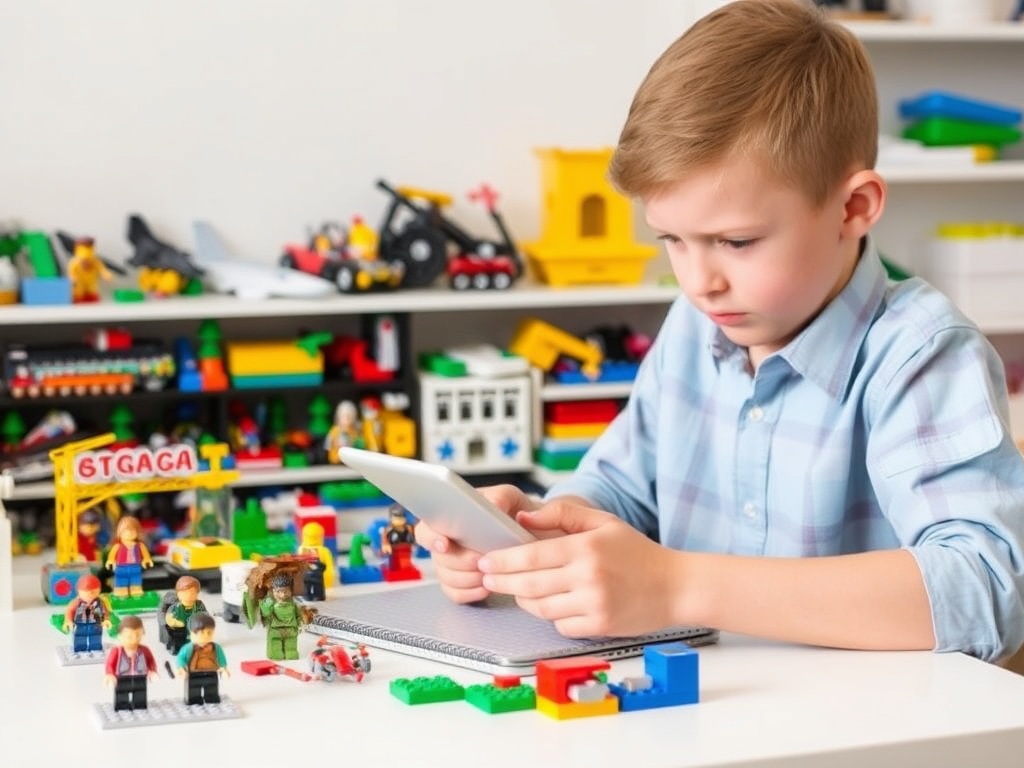
Serious collectors don’t rely on memory. Track what you own, its condition, and approximate value.
Apps and spreadsheets both work. Include:
- Set number and name
- Condition (sealed, used, complete)
- Box and instructions status
- Estimated value
This becomes invaluable when buying, selling, or insuring your collection.
Step 10: Rotate and Revisit Your Display
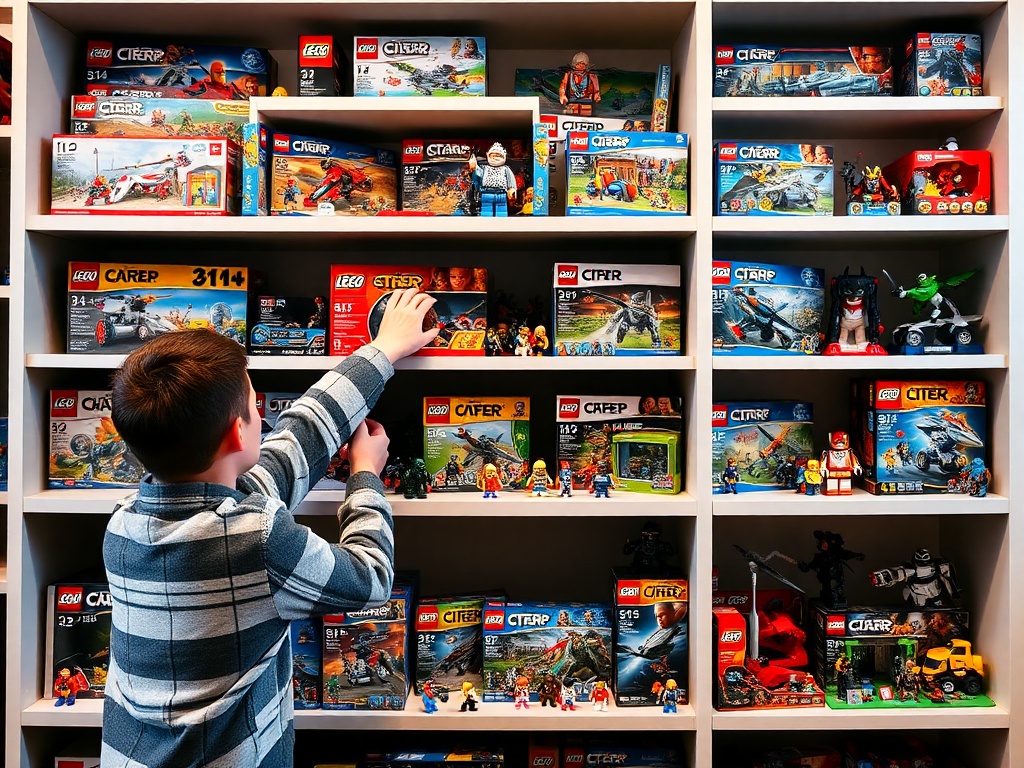
Displaying everything at once isn’t realistic—and it increases risk. Rotating sets keeps your space fresh while limiting exposure.
It also gives you a reason to reconnect with older builds, which is half the fun of collecting.
Final Thoughts
A LEGO collection is part hobby, part investment, and part personal museum. Treat it that way.
You don’t need museum-grade systems to get this right. You just need consistency. Protect from light, limit dust, control the environment, and handle pieces carefully.
Do that, and your collection won’t just look better—it’ll hold its value for years.
Steps
- 1
Decide What’s for Display vs. Storage
- 2
Control Light Exposure
- 3
Use Enclosed Display Cases
- 4
Store Boxes Properly
- 5
Organize Loose Pieces and Minifigures
- 6
Manage Temperature and Humidity
- 7
Clean Your Sets Safely
- 8
Keep Instructions and Extras Safe
- 9
Track Your Collection
- 10
Rotate Your Display