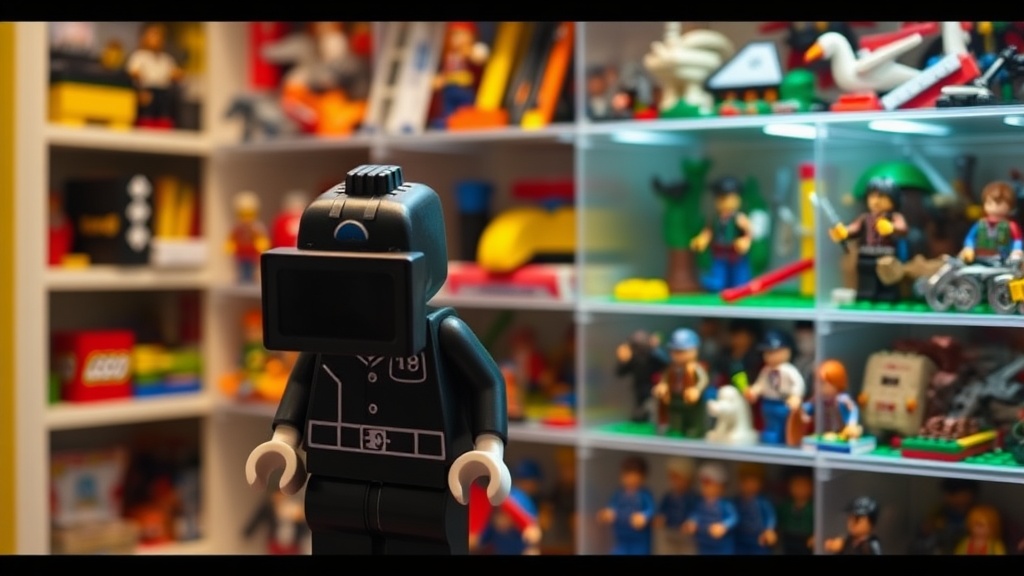
How to Organize and Store Your Lego Collection Like a Pro

This post walks through proven methods for organizing and storing Lego collections of any size — from a few sets to thousands of pieces. Whether you're a casual builder or a serious collector, proper storage protects your investment, saves hours of hunting for parts, and makes the building experience more enjoyable.
What's the Best Way to Store Loose Lego Bricks?
The most effective storage for loose bricks depends on collection size and available space. Small collections (under 5,000 pieces) work well with drawer organizers or tackle boxes. Medium collections (5,000–20,000 pieces) benefit from stackable bins with dividers. Large collections demand dedicated shelving with labeled containers sorted by category, color, or both.
Most serious builders eventually land on a hybrid system — broad categories first, then refinement within each. Here's what that looks like in practice:
| Collection Size | Storage Solution | Estimated Cost |
|---|---|---|
| Under 5,000 pieces | Akro-Mils 44-drawer cabinet or similar | $50–$80 |
| 5,000–20,000 pieces | IRIS USA 44 Qt. stackable bins (6–12 units) | $100–$200 |
| 20,000–50,000 pieces | Wall-mounted shelving + Sterilite drawers | $300–$600 |
| 50,000+ pieces | Custom built-in shelving + Akro-Mils cabinets | $800+ |
The catch? You'll probably reorganize three times before finding what clicks. That's normal. Every collector's brain works differently — some think in colors (all red bricks together), others in part types (all slopes regardless of color). There's no wrong answer, only what helps you find pieces faster.
How Do You Sort Lego Pieces Efficiently?
Sort by part type first, color second. When every brick lives in a rainbow pile, finding that one dark gray 1×2 tile means digging through dozens of similar pieces. When sorted by shape, color becomes a quick visual scan within a smaller pool.
Start with these broad categories:
- Bricks — standard 1×1 through 2×4 blocks
- Plates — flat pieces including baseplates
- Tiles — smooth-top pieces (1×1, 1×2, 1×4, etc.)
- Slopes — angled pieces and roof elements
- Technic — beams, gears, axles, connectors
- Specialty — hinges, clips, bars, modified plates
- Minifigures & accessories — keep these separate
Worth noting: specialty pieces (printed elements, rare colors, plant pieces) often deserve their own small containers. A minifigure collection alone can sprawl across dozens of small compartments — heads, torsos, legs, hairpieces, accessories, capes. The time spent separating these pays dividends when assembling custom figures or restoring vintage sets.
That said, don't over-sort initially. A container labeled "wheels and wheel-related stuff" beats paralysis by analysis. Refine as the collection grows.
How Should You Store Built Lego Sets?
Display them on sturdy shelving away from direct sunlight, or break them down and store them in labeled bags or bins with their instructions. Dust protection matters — built sets attract dust in ways loose bricks don't.
For display storage:
- Shelves — IKEA BILLY bookcases work well; adjustable shelves accommodate everything from Architecture skylines to Star Wars UCS models
- Acrylic cases — protect valuable sets from dust and curious hands; look for cases on BrickLink or custom fabricators
- Wall mounting — floating shelves handle medium-sized vehicles; ensure studs face outward for aesthetic display
For storage breakdown:
- Photograph the completed set from multiple angles
- Disassemble into logical subsections (chassis, body, minifigures)
- Place each section in a zip-top bag with a desiccant packet
- Store bags in a labeled bin with the instruction manual
- Keep original boxes flat or stored separately if space allows
Some collectors swear by breaking everything down. Others display pride builds permanently. Most land somewhere between — rotating displays seasonally, storing the rest. Your call. (Though if you've got the Millennium Falcon UCS, that thing demands display space. No judgment either way.)
Climate Control Considerations
Lego plastic ages poorly in extreme conditions. ABS bricks can warp in sustained heat above 105°F — attic storage in southern summers spells trouble. Extreme cold makes pieces brittle. Humidity breeds mold on cardboard boxes and paper instructions.
Ideal storage conditions mirror what you'd want for books or electronics: 60–75°F with moderate humidity (30–50%). Basements work if dehumidified. Garages rarely work year-round.
Protecting Investment-Grade Sets and Minifigures
Sealed sets and rare minifigures need archival-grade protection. For sealed boxes:
- Store upright in archival plastic bins
- Never stack heavy items on top — box crush kills resale value
- Keep away from fluorescent lighting (it fades box art)
- Maintain consistent temperature; freeze-thaw cycles damage seals
Valuable minifigures deserve individual protection — small polybags, hard cases, or dedicated minifigure display frames. The Brothers Brick community regularly discusses archival methods for high-end collectibles.
Here's the thing about "investment" Lego, though: the best returns come from sets you'd actually enjoy building. Buying solely for appreciation ties up money and space on speculation. The collectors who seem happiest mix passion with pragmatism.
Maintaining an Inventory System
Once a collection passes a few hundred sets or several thousand loose pieces, mental inventory fails. Spreadsheets work. Specialized software works better.
Popular options include:
- BrickLink Studio — free, integrates with the world's largest Lego marketplace
- Rebrickable — excellent for tracking parts across multiple sets; shows what else you can build from existing inventory
- Brickset — primarily for sealed set tracking with extensive database
- Simple spreadsheets — Google Sheets or Excel for the DIY-inclined
The upfront time investment hurts — photographing, cataloging, counting. But when you're at a flea market wondering whether you already own that $40 minifigure, the two-second phone check pays for months of data entry.
Labeling That Actually Works
Vague labels ("misc bricks," "stuff") age poorly. Specific labels ("2×4 bricks — red, yellow, blue") work better. For printed labels, a Brother P-Touch or Dymo LabelManager produces durable, readable tags that survive basement humidity. Handwritten labels fade; don't bother.
Consider color-coding by category — blue labels for Technic, green for standard bricks, yellow for minifigure parts. Visual sorting speeds retrieval when hunting for that one specific piece.
Organizing Instructions and Stickers
Instruction booklets multiply faster than expected. Storage options range from simple (three-ring binders with sheet protectors) to elaborate (filing cabinets with hanging folders organized by theme).
For stickers — the bane of many collectors' existence — unused sticker sheets need flat, dry storage. Once applied to bricks, they're largely permanent (removing them damages pieces). Keep unused sheets in archival sleeves, ideally with the set they belong to.
Digital backup helps too. Lego's official building instructions database hosts thousands of manuals, but older or obscure sets may only exist in your paper copy. Scanning important instructions — especially for retired, valuable sets — provides insurance against coffee spills and basement floods.
Building a Sustainable System
The perfect organizational system doesn't exist — only the system you'll actually maintain. Start small. Sort one category this weekend. Add storage containers as needed rather than buying $400 of bins on speculation.
Expect evolution. A collection that fits in a closet today may fill a basement in five years. The storage that worked for 500 minifigures crumbles under 5,000. Flexibility beats perfection.
That said, some principles hold: protect from light, heat, and moisture. Label everything. Sort by part type when possible. And remember — these are plastic bricks meant for joy. Organization serves the hobby; it doesn't replace it.
"The goal isn't to have the most organized collection. It's to spend less time searching and more time building."
Whether your collection fills a shoebox or a dedicated room, thoughtful storage preserves both the bricks and the pleasure of building with them.
Steps
- 1
Sort Your Bricks by Category and Color
- 2
Choose the Right Storage Containers and Solutions
- 3
Label Everything and Maintain Your System