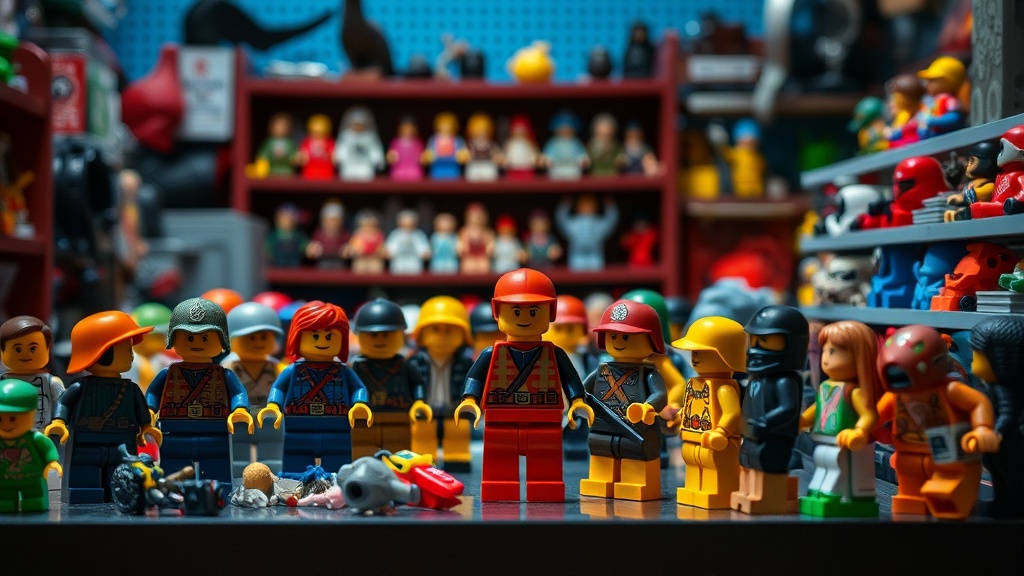
Finding Rare Minifigures at Local Thrift Stores and Garage Sales

You're digging through a dusty plastic bin at a local garage sale when you spot a glint of gold. It's not a piece of jewelry; it's a 1990s classic Space minifigure with the original silver printing. Finding high-value LEGO items at thrift stores and garage sales requires a mix of patience, a keen eye for detail, and a bit of luck. This guide breaks down how to spot undervalued minifigures, how to verify authenticity on the fly, and how to build a profitable or personal collection without spending a fortune on specialized resale sites.
How Do I Identify Rare LEGO Minifigures Quickly?
Identifying a rare minifigure requires checking the printing quality, the specific mold of the head or hair, and the overall condition of the piece. Most collectors look for specific "print errors" or unique accessories that distinguish a common figure from a high-value one. You aren't just looking for any figure; you're looking for the ones that collectors actually want.
Start by looking at the torso and legs. Modern LEGO figures have incredibly crisp, high-resolution printing, while older figures—especially those from the 1980s and 90s—might have slightly different textures or simpler designs. If you see a figure with a unique accessory, like a specific lightsaber or a specialized helmet, pay attention. That accessory often dictates the value more than the figure itself.
Keep an eye out for these specific high-value indicators:
- Single-printed arms: Many older figures only have printing on the torso.
- Unique head expressions: Certain Star Wars or Harry Potter characters have specific facial prints that are highly sought after.
- Condition of the legs: Check for "cracks" or stress marks on the sides of the legs.
- Accessory match: A figure is often worth significantly more if the original accessory (like a tool or weapon) is included.
Don't be afraid to use your phone. If you see something that looks interesting, a quick search on BrickLink can tell you instantly if you've found a treasure or just a common part. BrickLink is the industry standard for checking the current market value of individual LEGO components.
Where Are the Best Places to Find Undervalued LEGO?
The best places to find undervalued LEGO are local thrift stores, estate sales, and neighborhood garage sales where the sellers aren't specialized collectors. You want to find locations where items are sold by weight or in bulk "lots" rather than by individual piece value. When a seller doesn't know the difference between a common minifigure and a rare one, that's where your opportunity lies.
Thrift stores like Goodwill or local independent charity shops are gold mines because their inventory changes daily. Sometimes, a box of "toys" is tossed into a bin, and a retired LEGO set or a handful of rare minifigures are buried underneath. It's a bit of a gamble (and a lot of bending over), but the payoff is worth it.
Estate sales are another tier above. These are often more organized, but you'll find much higher-quality "bulk" lots. You might find a massive bin of mixed LEGO parts from a house that has been cleared out after decades. This is where you find the "bulk builds" that can be broken down into individual, high-value pieces later.
Pro-Tip: Always check the "junk bins" at the back of the store. Often, the most interesting items are tucked away in bins labeled "miscellaneous toys" or "plastic parts."
How Much Are Rare LEGO Minifigures Worth?
The value of a rare minifigure depends entirely on its rarity, its specific character identity, and its physical condition. A single Star Wars Battle Droid might only be worth a few cents, but a specific version of a character like Captain Rex can fetch hundreds of dollars. You have to understand that "value" is subjective and fluctuates based on collector demand.
To understand the scale of value, look at this comparison of common vs. rare types:
| Figure Type | Typical Value Range | Primary Value Driver |
|---|---|---|
| Common City Figure | $0.50 - $2.00 | Bulk/Playability |
| Standard Star Wars Figure | $5.00 - $25.00 | Character Popularity |
| Limited Edition/Retired | $30.00 - $100.00+ | Rarity & Accessories |
| Ultra-Rare (e.g., Classic Space) | $100.00 - $500.00+ | Historical Significance |
If you find a figure that looks "old" or "different," it's worth a closer look. For instance, figures from the LEGO Group's older themes often hold much more value than modern figures from the current seasonal lines. This is because the supply of these older pieces is finite—they aren't making any more 1980s Space figures.
What Should I Look for to Ensure Authenticity?
To ensure authenticity, look for the LEGO logo on the neck or the inside of the legs and check for the absence of "seam lines" that indicate a knock-off brand. Authentic LEGO pieces have a specific weight, a certain "snap" when parts connect, and very consistent printing. If the plastic looks overly shiny or the edges are jagged, it's likely a generic brand or a counterfeit.
Counterfeit LEGO (often called "fake LEGO") is a real issue in the secondhand market. These pieces might look similar at a glance, but they lack the precision of the real thing. A quick way to tell is to look at the studs. Authentic LEGO studs are perfectly uniform. If the figure's head or torso feels "mushy" or doesn't fit tightly on the neck, put it back. You don't want to spend your money on a piece that won't even display properly.
Once you get your finds home, you'll need to handle them carefully. If you've found pieces that are a bit grimy from being in a garage sale bin, you'll need to clean them properly. I've written extensively about this in my post on cleaning dust and grime from your LEGO builds safely. Never use harsh chemicals; stick to mild soap and water to avoid ruining the print.
After you've cleaned your new treasures, consider how you'll display them. If you've found high-value figures, you'll want to protect them from the elements. I highly recommend looking into selecting the right acrylic cases to keep your new finds dust-free and looking pristine.
One thing to keep in mind: if you find a figure with a faded or "scratched" face, the value drops significantly. Collectors are perfectionists. A tiny scratch on a rare Star Wars figure can turn a $50 find into a $5 find. Always inspect the print under a bright light before you hand over your cash.
The hunt is half the fun. Whether you're looking to flip a rare figure for profit or you just want to add a piece of history to your shelf, the thrift store circuit is the best way to find those hidden gems. Keep your eyes peeled, keep your phone charged for quick searches, and most importantly, don't be afraid to ask the seller if they have more "toy bins" in the back. You never know what's hiding under the surface.