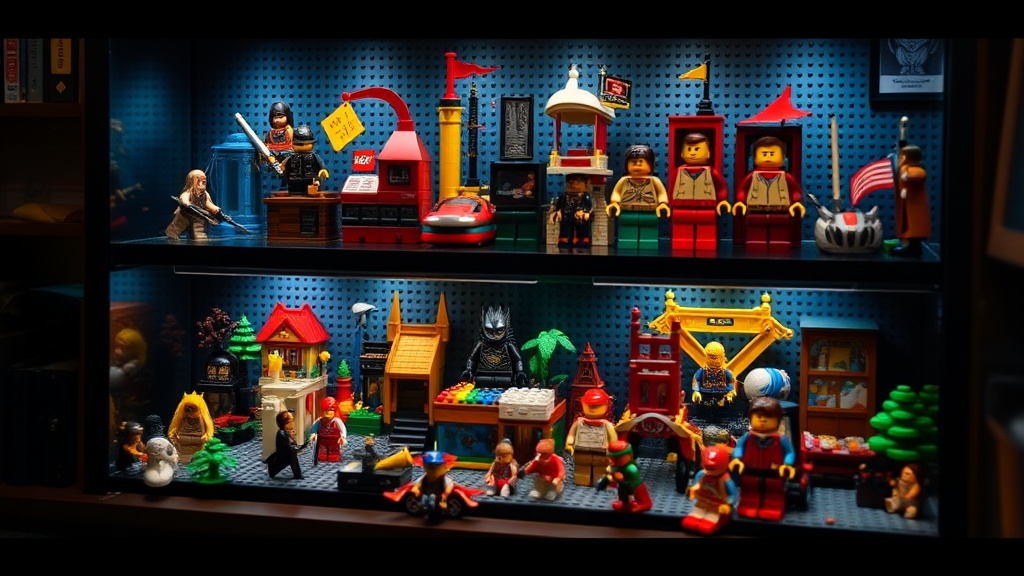
5 key Tips for Displaying Your LEGO Collection Like a Pro

Invest in Sturdy Floating Shelves with Weight Capacity for Large Sets
Use LED Strip Lighting to Highlight Details Without Heat Damage
Install Acrylic Display Cases for Dust Protection and Clarity
Arrange Sets by Theme or Color for Visual Impact
Position Displays Away from Direct Sunlight to Prevent Fading
This post covers five proven strategies for displaying LEGO collections that protect your investment while creating a visually stunning showcase. Whether you've got ten sets or a thousand, the way you present your bricks can transform a cluttered shelf into a museum-quality exhibition. You'll learn about lighting techniques, dust protection, shelving solutions, and organizational methods that serious collectors swear by. No backstory needed—just actionable advice you can implement this weekend.
How Do You Light Up LEGO Displays Like a Professional?
The right lighting doesn't just show off your sets—it transforms them. Brother LED strips and purpose-built LEGO lighting kits from companies like Brick Loot or Lightailing have become standard equipment for serious collectors. The trick isn't just adding light; it's adding the right light.
Warm white LEDs (2700K-3000K) bring out the vibrant colors in LEGO bricks without that harsh, clinical glow that cooler temperatures create. That said, don't just stick strips on the back of your shelf and call it done. Layer your lighting—overhead accent lights, under-shelf strips, and even small spotlights for centerpiece sets. The Millennium Falcon deserves its moment in the spotlight (literally).
The catch? Heat. Cheap LEDs can run warm, and sustained heat exposure isn't great for plastic over decades. Stick with reputable brands like Philips Hue or GE Cync that stay cool to the touch. Battery-operated puck lights work well for display cases without easy outlet access—just budget for swapping AAs every few months.
"Good lighting is the difference between a pile of plastic bricks and a gallery-worthy collection. Spend 30% of your display budget on lights, minimum."
Choosing Shelving That Won't Warp Under Weight
LEGO sets are heavy. That Star Wars UCS Imperial Star Destroyer? Over 15 pounds of concentrated weight in a relatively small footprint. Standard IKEA Billy bookcases can handle it—but barely, and not forever. For serious collections, you need furniture rated for the load.
Here's the thing: particleboard shelves sag. They just do. After a year or two with heavy modulars like the LEGO Creator Expert Assembly Square or Ninjago City Gardens, you'll see that telltale bow in the middle. Solid wood or steel-reinforced shelving is worth every extra penny.
The IKEA Kallax system works well for medium-sized sets in display cubes, though you'll want to add backing boards to prevent dust from filtering through. For open shelving, consider industrial pipe shelves from West Elm or custom-built units using 2x12 lumber with hidden brackets. These hold hundreds of pounds per shelf—enough for even the most ambitious city layout.
| Shelving Type | Max Weight Per Shelf | Best For | Price Range |
|---|---|---|---|
| IKEA Billy (with glass doors) | 66 lbs | Medium sets, enclosed display | $79-$129 |
| IKEA Kallax (4x2) | 29 lbs per cube | Modulars, organized themes | $65-$85 |
| Industrial Pipe Shelving | 150+ lbs | Heavy UCS sets, city layouts | $200-$400 |
| Custom Built-in | Unlimited | Permanent installations | $500-$2000+ |
How Do You Protect LEGO from Dust Without Hiding It?
Acrylic display cases are the gold standard. Dust settles on everything—your LEGO collection included—and cleaning between studs is a nightmare. Glass-fronted cabinets, acrylic cases, or even custom plexiglass covers solve this while keeping your sets visible.
Worth noting: not all display cases are created equal. Cases from Wicked Brick or iDisplayit are engineered specifically for popular LEGO sets, with UV-resistant acrylic that prevents yellowing. (Standard acrylic from the hardware store? It'll turn cloudy in a few years.)
For open shelving, consider display covers—essentially acrylic boxes that slip over your sets. These run $30-$80 per set but eliminate dust entirely. Compressed air helps with maintenance, though you'll want to hold the can upright to avoid shooting propellant onto your bricks. Microfiber cloths work for exterior cleaning; cotton swabs tackle the tight spots.
Humidity matters too. LEGO bricks can tolerate normal household conditions (40-60% humidity), but basements and attics are risky territory. Silica gel packets in display cases help, though you'll need to recharge or replace them every few months. If your collection lives in a finished basement, run a dehumidifier—mold doesn't care how rare your Café Corner is.
What's the Best Way to Organize LEGO Sets by Theme?
Group by visual coherence, not just theme. All Star Wars together makes sense—until you've got a neon Naboo starfighter clashing with the earthy tones of Tatooine sets. Consider color blocking: City sets (grays, blues) on one shelf, licensed themes (Star Wars, Marvel's varied palettes) arranged by era or sub-theme.
Create zones. Modular buildings look best in a continuous row—Connected Boulevard style—while vehicle collections benefit from tiered risers that show off each model. The IKEA Mosslanda picture ledges work brilliantly for small-scale displays, letting you stagger heights without blocking sightlines.
Rotate your display. You don't have to show everything at once. Seasonal sets (Winter Village, Halloween specials) come out when appropriate, while everyday sets rotate to keep the display fresh. Storage bins (Really Useful Boxes, 35-liter size) protect off-display sets in closets or under beds. Label everything—future you will thank present you.
Document Everything—Before You Need To
Insurance claims require proof. Photograph every set, every minifigure, every sticker sheet. Cloud storage is your friend—Google Photos, iCloud, whatever you use. Update these photos annually, or whenever you add significant pieces.
Apps like BrickSet and Rebrickable help track your inventory, but nothing beats a good spreadsheet for insurance purposes. List set numbers, purchase dates, current market values (check BrickLink sold listings), and condition notes. High-value sets— Modulars, UCS Star Wars, early Harry Potter—merit individual documentation.
That said, don't let documentation become the hobby. Some collectors spend more time cataloging than building. Find a system that works—maybe 30 minutes every Sunday updating your records—and stick with it. The goal is protecting your investment, not creating a second job.
Display your collection with intention. Every set you own represents hours of build time, hundreds of dollars (or more), and genuine passion. Give those bricks the presentation they deserve. Your LEGO collection isn't clutter—it's curated art. Treat it that way, and anyone who walks into your home will understand exactly why grown adults still play with toys.